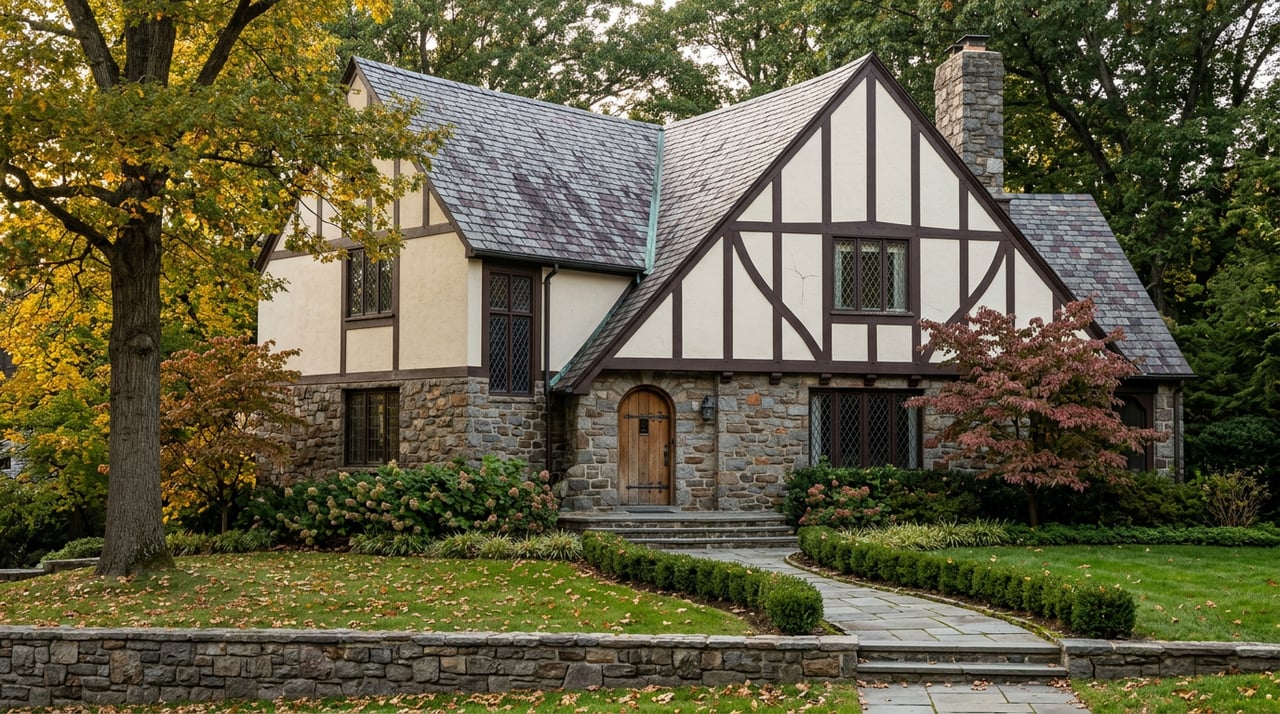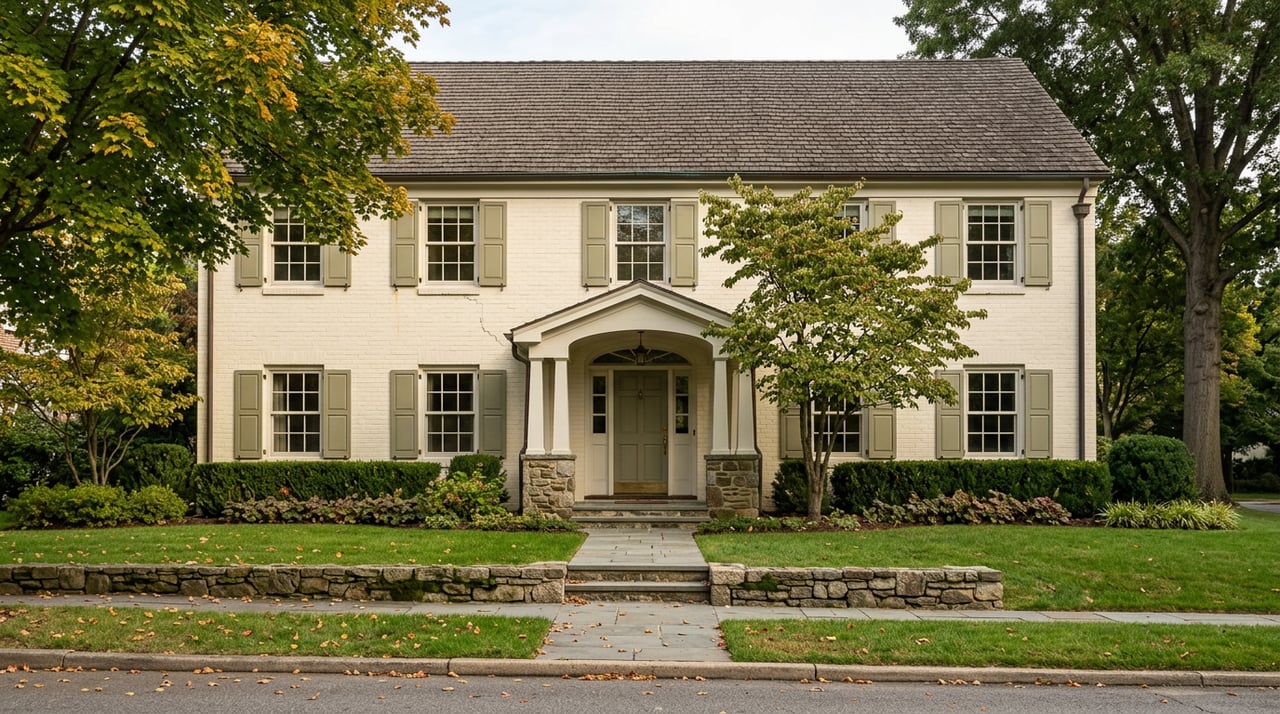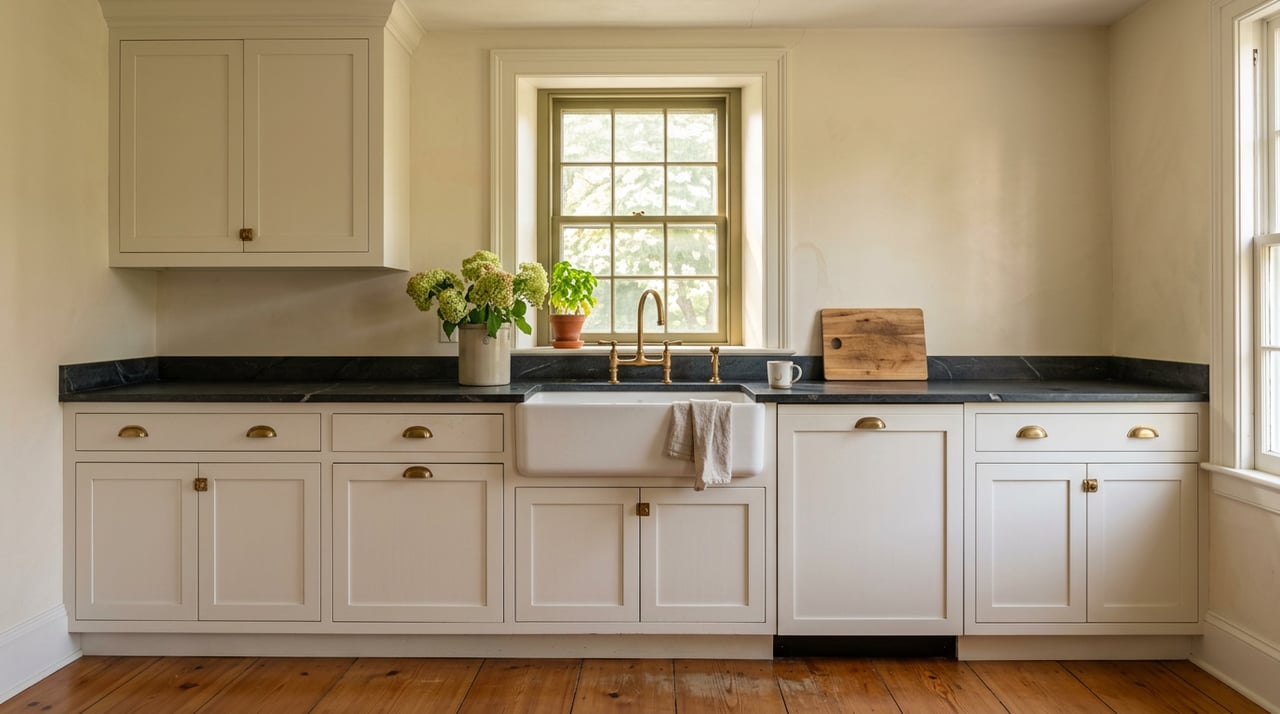
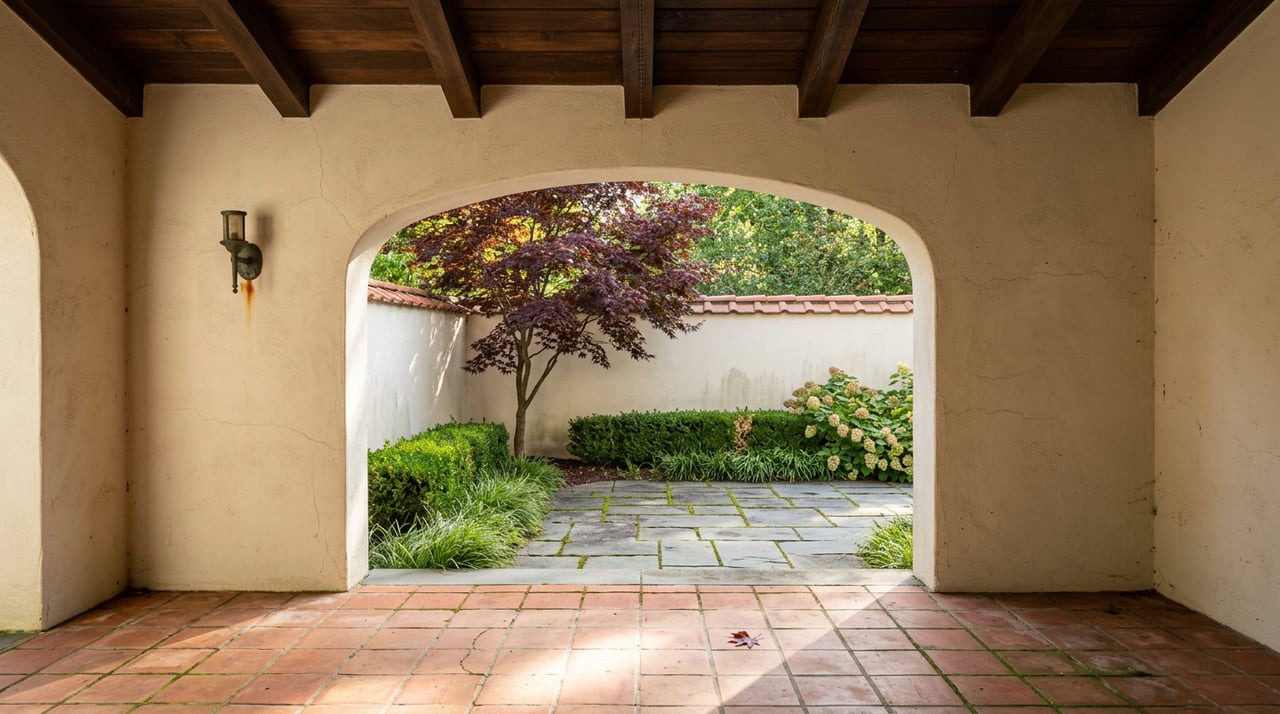
Walk two blocks in Kenilworth and the housing stock changes styles entirely. A 1920s Spanish Revival with a tile roof and hand-troweled stucco sits within sight of a mid-century ranch, which sits within sight of a spec-built home finished in 2023. All three might list at a similar price this summer. One of them will probably close well before the others.
As of June 2026, the median home sale price in Kenilworth was $549,450, with houses ranging from $344,900 to $1,900,000. That spread is wide even by Asheville standards, and it comes with a second number that tells the real story: homes in Kenilworth spend an average of 91 days on the market, compared to a national average of 58 days. That gap is not a sign of weak demand for a neighborhood this close to downtown, Mission Hospital, and Biltmore Village. It is a sign that a meaningful share of Kenilworth's housing stock runs into financing friction that newer homes simply don't.
The Number That Matters More Than the Median
A median price tells you what a typical house costs. It does not tell you why a house sits. In a neighborhood founded in 1913 and built out largely through the 1920s, then filled in over decades with ranch homes and contemporary infill, the 91-day average is really an average of two very different markets stacked on top of each other. Homes with modern systems move at something closer to the national pace. Homes with original 1920s wiring and plumbing often don't, and the reason has less to do with buyer hesitation than with what happens between accepted offer and closing table.
Where the Friction Actually Starts
The friction shows up first with insurance, not inspection. North Carolina homes built between the 1880s and 1940s frequently still carry knob-and-tube wiring, the ceramic-knob-and-tube system that remained standard through that period. Insurers treat it as a liability rather than a quirk. Many carriers decline to write a policy on a home with active knob-and-tube at all, and the ones who will typically charge 50 to 100 percent more than they would for the same house with modern wiring. Some will offer a standard-rate policy only if the buyer agrees to have the wiring replaced within roughly 30 days of closing, which turns a routine purchase into a financing contingency with a clock attached.
That timeline matters because a lender won't fund without proof of insurability, and an insurer won't quote a policy without knowing what's behind the walls. A buyer who assumed they had 30 days to closing can lose two of them just waiting on an electrician's inspection report before an insurance company will even respond. As the American Society of Home Inspectors put it, walking into a pre-1940s house means expecting to find it. One inspector described the search for original wiring as feeling like an Easter egg hunt.
Plumbing adds a second layer. Asheville homes built between 1890 and 1940, a window that covers most of original Kenilworth, commonly carry galvanized steel supply lines or cast iron sewer lines that corrode from the inside. A standard visual plumbing inspection runs $100 to $200, but once an inspector flags rust-colored water or slow drainage, the next step is a sewer camera scope, which can run upwards of $1,175. If that scope turns up deterioration, a full repipe in Asheville typically falls somewhere between roughly $1,400 and $14,500 depending on pipe material and how accessible the walls and crawlspace are. None of that kills a deal on its own. It does mean renegotiation, and renegotiation takes time.
What the Range Actually Buys
| Price segment (June 2026 range) | Typical era / style | Likely friction point |
|---|---|---|
| Low $300Ks to high $400Ks | Older bungalows and unrenovated cottages | Original wiring and plumbing untouched, insurance quotes take longer |
| Mid $500Ks to $700Ks | Renovated Craftsman or Tudor Revival, partial system updates | Mixed systems, inspector may find knob-and-tube spliced into newer circuits |
| $800K and above | Spanish Revival estates, contemporary infill, hillside new construction | Fewer inspection surprises, faster underwriting |
The homes at the top of Kenilworth's price range aren't just larger. Many of them have already been rewired, repiped, or built new entirely, which is exactly why they tend to close closer to that 58-day national pace. The homes carrying the neighborhood's median price up or down are disproportionately the ones still running on their original systems, and that's where the 91-day average comes from.
What This Means If You're Buying
None of this is a reason to avoid Kenilworth. It's a reason to sequence the transaction differently than you would in a newer subdivision.
- Order the electrical and plumbing inspection before you shop for insurance, not after. A licensed electrician's written condition report is usually what an insurer wants to see before they'll quote a policy.
- Ask your lender directly whether they'll fund with an insurance binder that has a 30-day rewiring condition attached, since not every lender treats that the same way.
- If a sewer scope gets recommended, get it done during your due diligence period rather than skipping it to save time. A $1,175 camera inspection is far cheaper than discovering cast iron failure after closing.
- Build the possibility of a partial rewire or repipe into your offer strategy from the start rather than treating it as a surprise repair request later.
What This Means If You're Selling
If your Kenilworth home still has original wiring or plumbing, getting ahead of the insurance question before listing can shave real time off your sale. A pre-listing electrical inspection report, even an informal one, gives your buyer's insurer something to work with immediately instead of waiting on a new inspection to get scheduled after an offer is already in hand. The same logic applies to a sewer scope. Sellers who can hand a buyer's agent a recent plumbing report up front are effectively removing one of the two biggest reasons Kenilworth listings stall past the 58-day national pace.
A Few Questions Worth Asking
Does having knob-and-tube wiring mean a house won't sell? No. It means the closing timeline depends more on insurance underwriting than on buyer interest. Homes with original wiring still sell throughout Kenilworth every year, just often on a longer runway than newer construction nearby.
Is a 91-day average unusual for a historic Asheville neighborhood? It's higher than the national average, but it reflects Kenilworth's mix of very old and very new housing stock more than it reflects the neighborhood's desirability. A neighborhood built almost entirely in one recent decade would show a tighter number.
Should a buyer walk away from a home with original systems? Not necessarily. Many buyers budget for the rewire or repipe as part of their purchase, especially since Kenilworth's Spanish Revival and Tudor architecture is part of what makes the neighborhood distinct in the first place. The key is knowing the cost and timeline going in rather than discovering it during option period.
Kenilworth's character comes from exactly the housing stock that slows some of its closings down. That's not a contradiction, it's the trade a buyer makes for a stucco archway and a tile roof instead of vinyl siding. If you're weighing a purchase or a listing in Kenilworth and want a realistic read on what a specific house's systems might mean for your timeline, The Mike Miller Team has spent years walking Asheville's older neighborhoods alongside buyers and sellers who wanted the full picture before they signed anything. Start Your Buying or Selling Journey with a team that knows exactly where these homes tend to get complicated, and exactly how to plan around it.